
KEMP develops Innozinc surface-treatment specifications for ESS enclosure frames, door hardware, brackets and fasteners. Production experience with angles and channels supports component-specific process design for corrosion protection and dimensional control. Sample assessment covers outdoor exposure, bonding continuity and electronics-related component requirements.
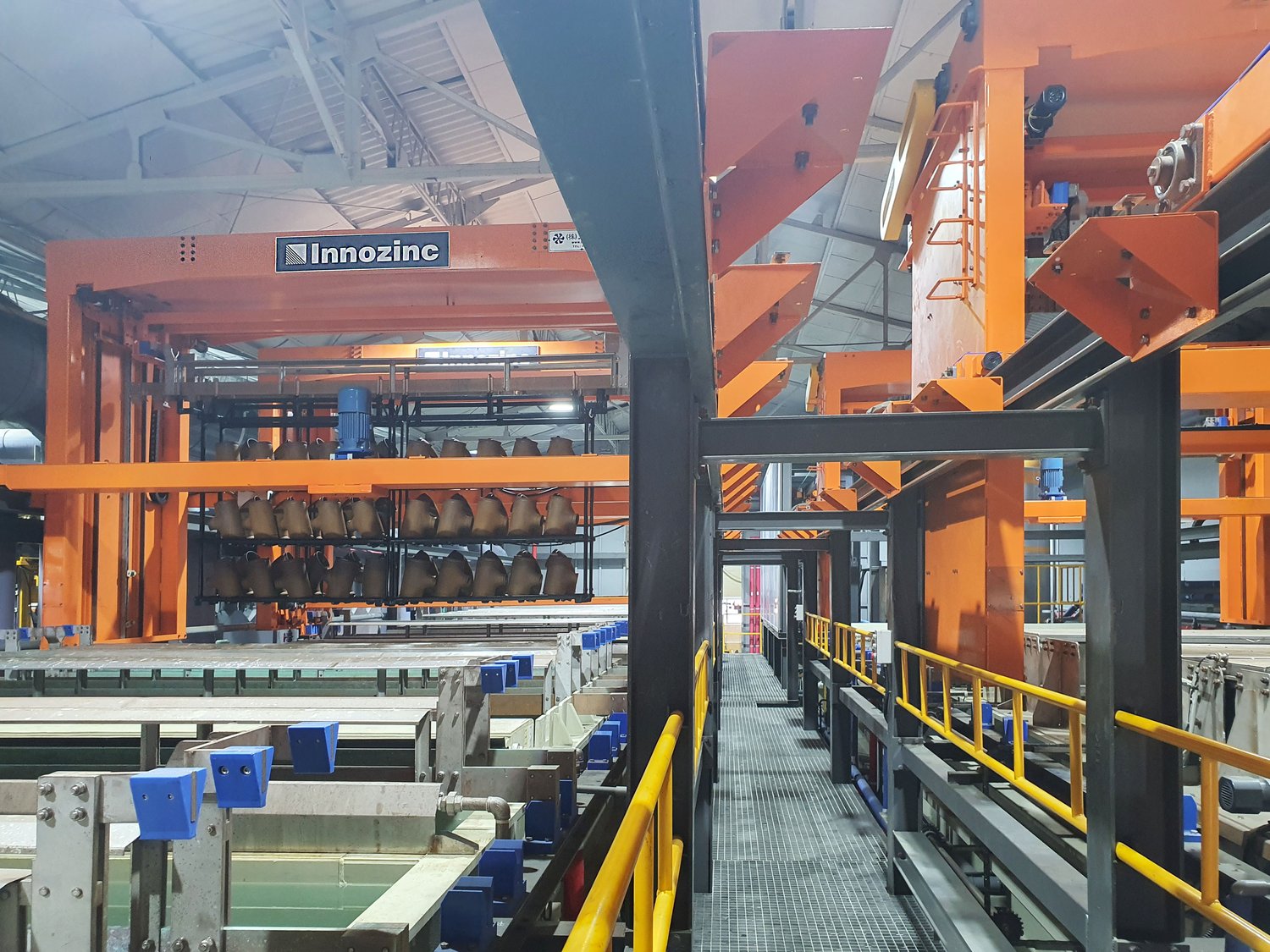
Corrosion, electrical safety and contamination control must be considered together with loads, maintenance and approval requirements.
Enclosure, doors and racks may require equipotential bonding. Coatings, contact geometry and assembly affect connection resistance. Verify the complete bonded joint; do not assume conductivity from the coating family alone.
Validate the assembled electrical connectionCorrosion may remain unnoticed between inspections. Define exposure, maintenance access, design life and dimensional tolerances before selecting a coating.
Review the service-life evidence belowConductive particles near batteries, PCS and BMS can cause electrical faults. Internal components need contamination and whisker-risk review as well as corrosion assessment.
Review internal-component requirements belowReview external, foundation and internal components separately. Internal parts need electrical and contamination requirements defined before coating approval.
See the component guidance belowFor hinges, door gear and earthing brackets, confirm contact resistance, assembly torque, contact preparation and ageing behaviour. Salt spray hours alone cannot establish electrical suitability.
| Item | Powder coating | Zinc flake coating (ZFC) | Hot-dip galvanizing (HDG) | Electro-zinc + conversion coating | Innozinc |
|---|---|---|---|---|---|
| Earthing / electrical continuity | Provide and test a bonding path | System-dependentTest coated joint resistance | Verify assembled joint | Verify assembled joint | Verify by testingMetallic zinc under an inorganic layer |
| Thermal processing | Curing required | Typically thermally cured; confirm TDS | Hot-dip immersion; bath temperature and post-treatment specified for the component | Confirm the complete process | Ambient electrodeposition, approximately 25°C |
| Cut edges / damage | Repair or edge protection required | System- and damage-dependent | Zinc sacrificial protection; assess damage | Zinc sacrificial protection; assess damage | Zinc sacrificial protection; assess damage |
| Thread allowance / overtapping | Allow for coating thickness and verify thread fit | Confirm thread fit | Specify coating allowance and compatible nuts | Confirm thread fit | Verify coated thread gauges |
| Heat-related distortion risk | Depends on curing and geometry | Depends on curing and geometry | Assess hot-dip thermal effects | Reduced thermal exposure; assess part | Reduced thermal exposure; assess part |
| Hexavalent chromium (Cr(VI)) | Confirm material compliance requirements | Specification-dependent | Confirm post-treatment specification | Confirm conversion-coating chemistry | Cr(VI)-free specification available |
| Hydrogen embrittlement considerations | Assess material and pretreatment | Non-electrolytic deposition; assess pretreatment | Assess material and pretreatment | Control pretreatment and electrodeposition | Qualification requiredElectroplating process; see application limits |
Electrical continuity requires measured evidence. A metallic zinc base layer does not establish an acceptable assembled-joint resistance. No qualifying contact-resistance result is provided here. Agree testing on your parts at the specified assembly torque, including ageing where required.
Hydrogen embrittlement must also be reviewed. Non-electrolytic deposition avoids hydrogen generation during deposition, but pretreatment, material and process controls still matter; no generic process is automatically approved for high-strength fasteners.
SST hours do not directly convert to outdoor service years. Select a qualification program based on site exposure, design life and the maintenance plan.
| Reference | Conditions | Reported result | Evidence type |
|---|---|---|---|
| 1,000-hour salt spray comparison | Customer's test facilitySide-by-side HDG and Innozinc specimens, including scratches | No red rust at Innozinc scratchesHDG comparison: red rust +++ | Customer in-house evaluation |
| Five-month service observation | Installed marine hardware | No visible corrosion reported | Visual observation, not lifetime measurement |
| Corrosion after damage | Hammer impact, bending and abrasion | No rust observed at tested impact / bend areasLocalized corrosion at abrasion; no spread during the evaluation | In-house testing |
| Salt spray guidance: Innozinc-h | High-corrosion-resistance grade | 1,500–2,000 hr | Grade guidance; confirm test report and conditions |
| Angles and channels: production references | Telecom supports and building reinforcementGeneral Innozinc; not ESS-specific qualification | Production reference | Manufacturing experience, not system qualification |
| Special-container structural components | Hydrogen-transport container structuresFrames, brackets and pipes; references from February 2025 | Supply reference | Comparable components; separate ESS review |
| 15–20-year outdoor validation | — | Not established by these references | — |
| ESS-specific qualification | — | Confirm for the proposed application | Component similarity is not qualification |
Manufacturing experience and ESS qualification are different. Angles, channels and frames are established production geometries for telecom and construction applications. Drawings and maximum dimensions still require line-capacity review.
Those references are not ESS service validation. Confirm the current ESS sample and qualification status for your project. Neither a production reference nor SST alone establishes 20-year durability.
Plan qualification around lifecycle requirements, including operation & maintenance. Do not convert 1,000-hour SST into a promised service life.
Agree site-specific testing and long-term observations on representative production components.
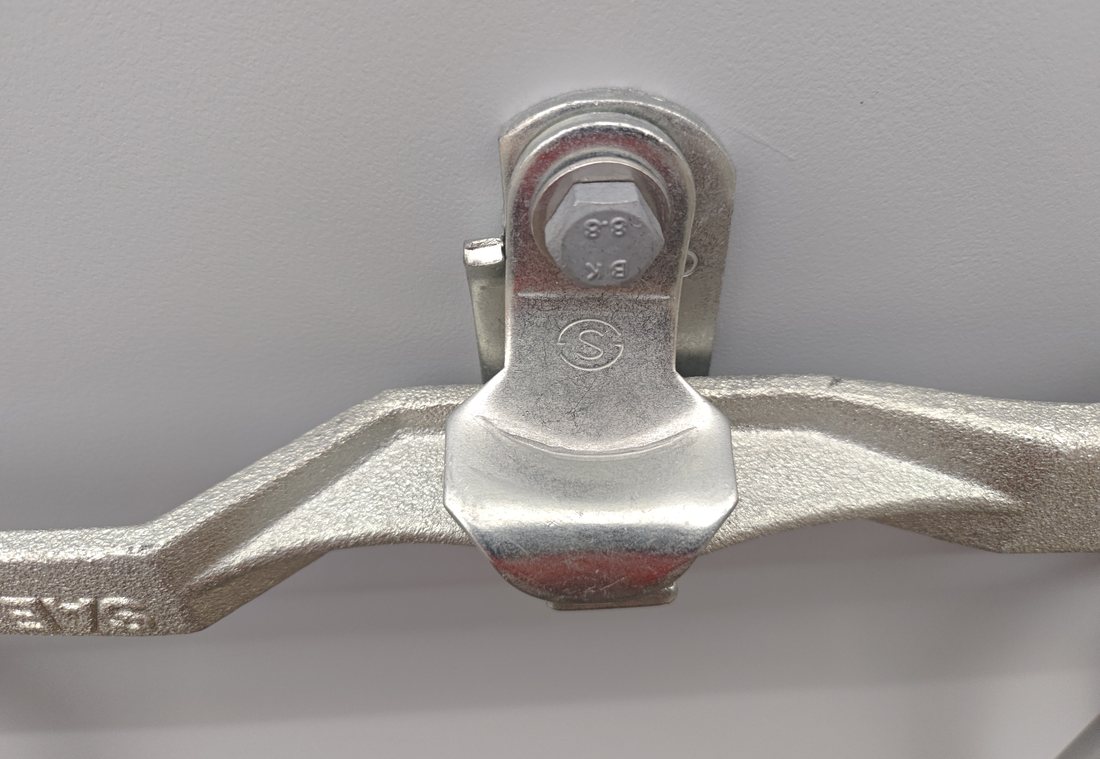
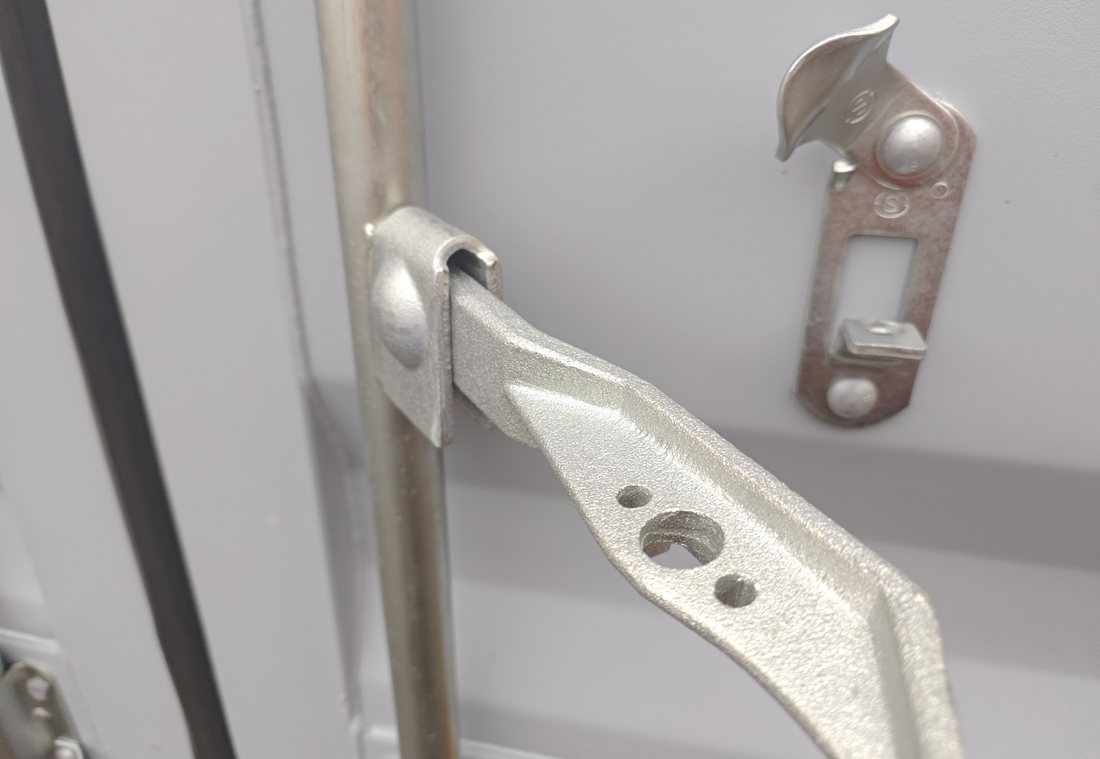
Set electrical safety, particle-control and whisker requirements before selecting coatings for internal racks, trays and supports.
Zinc whiskers can grow from some zinc-coated surfaces. These metallic filaments are electrically conductive and may create faults if detached near electronics.
Assess particle pathways, enclosure design and equipment requirements for the actual ESS installation.
No Innozinc whisker-suppression claim is made here. Supporting validation has not been provided.
Do not infer suppression or electrical insulation from the ceramic/inorganic coating description.
For internal racks, cable trays, rods and hangers, define whisker and contamination requirements first.
Request the technical background guidance and agree any additional testing with the equipment designer.
Earthing-bar brackets require measured electrical continuity and contamination review. No coating family should be accepted or excluded by name alone.
External bases, frames and anchors need their own corrosion, damage, load and material-grade assessment.
Choose specifications by exposure and function, not one coating for the complete enclosure.
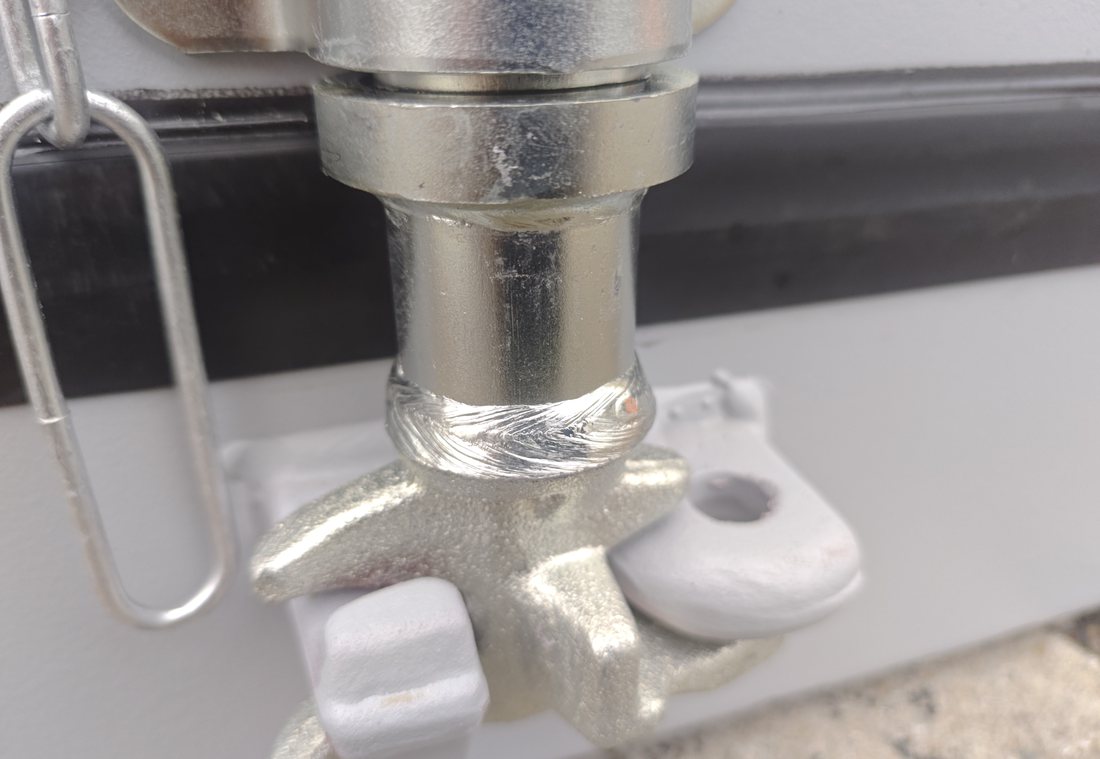
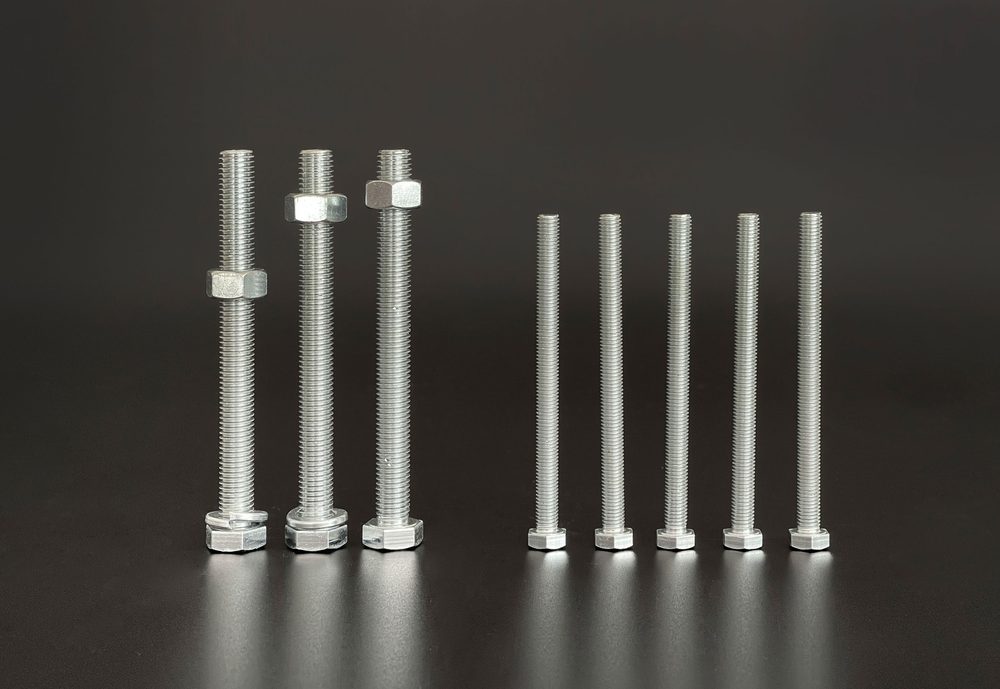
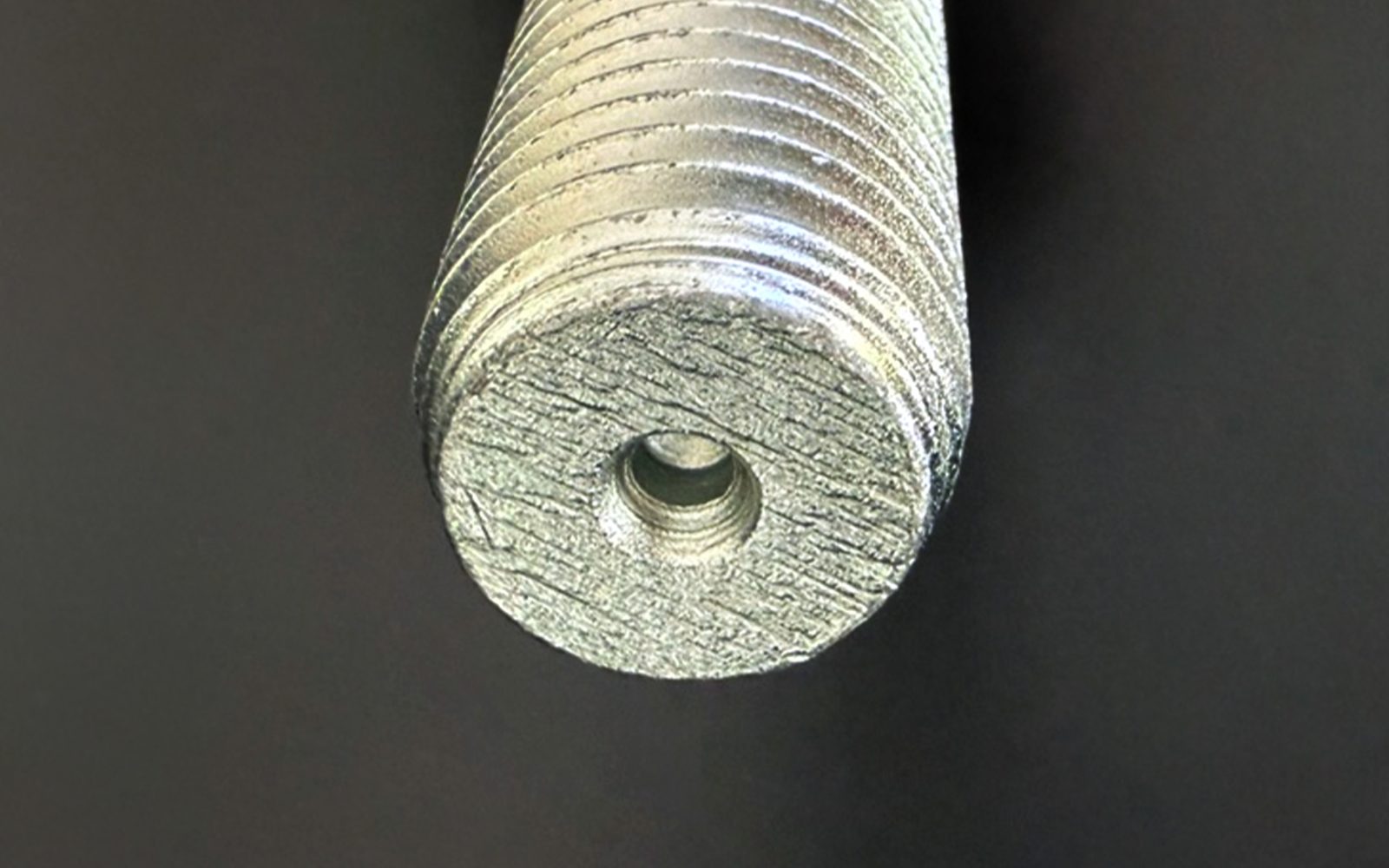
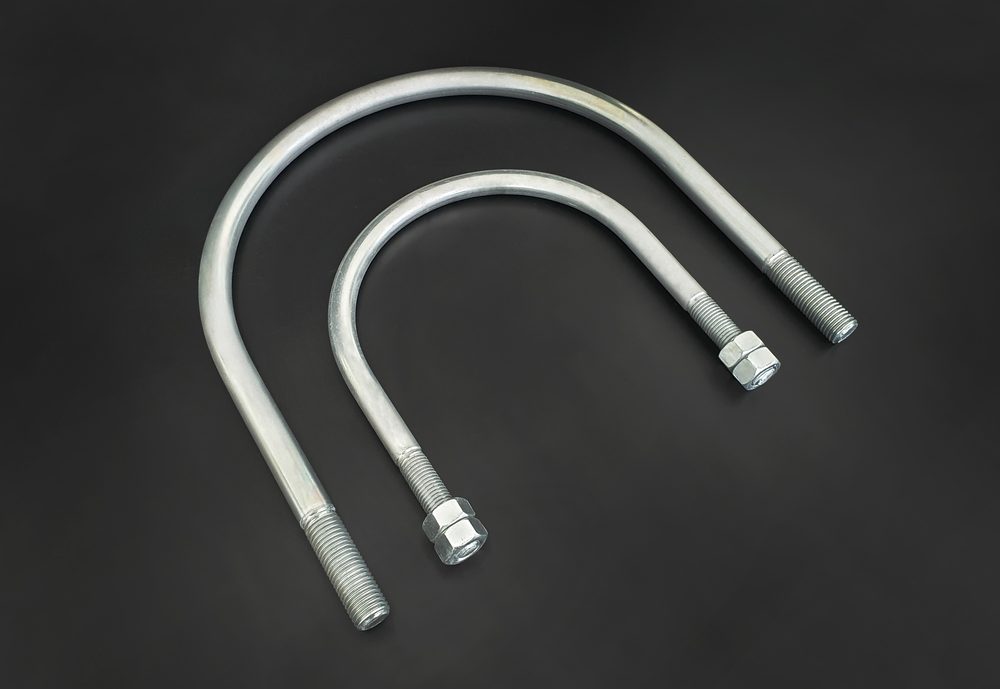
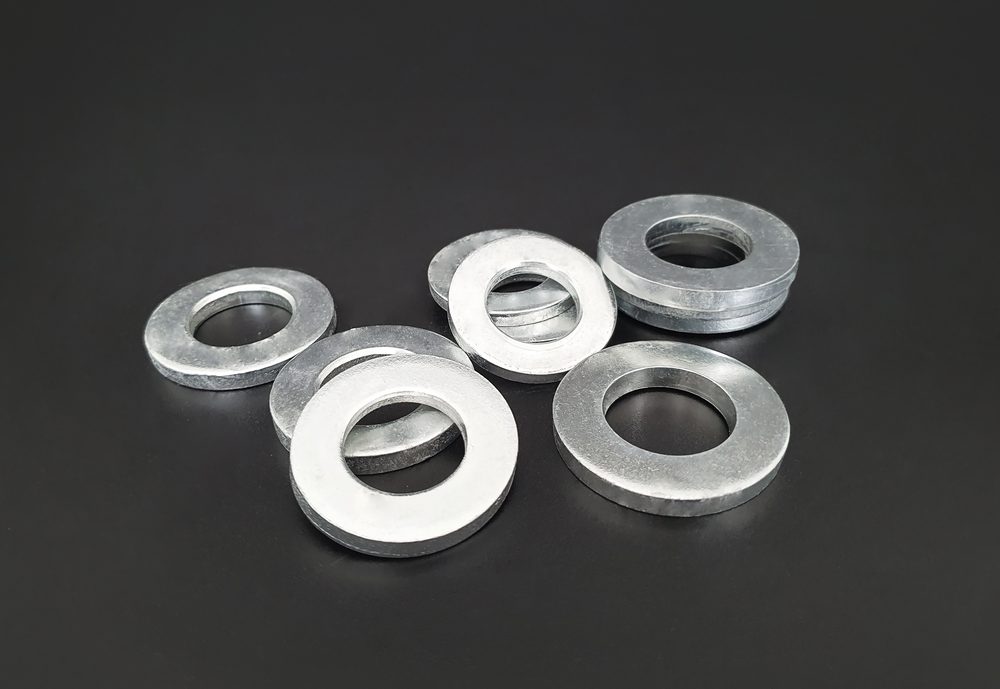
| Area | Component | Candidate specification | Supporting reference / qualification need |
|---|---|---|---|
| Enclosure exterior | Door gear, hinges, locks and keepers | Innozinc | Comparable marine hardware; confirm component-specific requirements |
| Exterior: coastal, island and offshore sites | As above | Innozinc-h | Review salt exposure and galvanic interfaces |
| Enclosure structure | Angles, channels and frames | Innozinc-h Start with qualification samples | Production geometry references in telecom / construction; confirm ESS sample acceptance |
| Enclosure exterior | Louvres, vent frames and cable-gland brackets | Innozinc | Assess cut-edge protection and dimensional fit |
| Foundation / base | Anchor bolts, base frames and skids | Innozinc | Review field cuts, loads and repair procedure |
| Interior: electrical continuity required | Earthing-bar brackets and bonding hardware | Innozinc | Confirm measured resistance under specified assembly conditions |
| Interior: near electronics | Battery rack frames, trays and threaded rods | Prior technical review | Define whisker and contamination requirements |
| All locations | High-strength fasteners, class 10.9 and above | Not recommended without qualification | No supporting hydrogen embrittlement validation provided |
| All locations | Sliding surfaces under repeated metal-to-metal wear | Prior application review | Assess coating thickness and wear independently |
Confirm these requirements before production approval or installation.
Innozinc uses an electroplating process. Protection against hydrogen embrittlement is not established here; supporting high-strength fastener validation has not been provided. Review alternative processes with the designer, including pretreatment and process-control requirements.
The coating structure does not establish the actual joint resistance in mΩ. Agree measurement on your parts at the specified tightening torque and after relevant environmental ageing.
For internal components near electronics, review the whisker guidance and equipment requirements. Agree appropriate evidence before approving a coating.
Angles and channels have production references in telecom and construction; these do not establish ESS service performance. Confirm the project's sample and approval status.
Available corrosion references include marine and special-container applications. Separate evidence is needed for ESS operation and long-term durability.
Candidates include angles and structural channels, door gear and exterior frames, base frames and anchors, and bonding hardware. Agree material, mechanical, electrical and exposure requirements before sample evaluation.
Use supporting documents to define the qualification plan with your design and quality teams.
| Evaluation topic | Supporting document | Evidence type | Availability |
|---|---|---|---|
| No scratch red rust at 1,000 hr in the cited test | Shipping customer's in-house test (June 2025) | Customer evaluation | Report available |
| No rust at tested impact / bend areas | KEMP damage-condition evaluation | In-house evaluation | In-house photographs available |
| 26-analyte screening; confirm report scope and detection limits | Third-party analysis | Third-party report | Test report available |
| Metallic zinc beneath inorganic coating | Electrodeposited zinc + inorganic layerDoes not prove assembled-joint continuity | Coating-system description | Not a contact-resistance measurement |
| Assembled-joint resistance (mΩ) | — | — | Test under agreed component conditions |
| Whisker mitigation review | — | — | No suppression claim; review guidance available |
| 15–20-year outdoor validation | — | — | Not established; no SST-to-years conversion |
| Angle / channel production references | Telecom supports and building reinforcementGeneral Innozinc; not ESS qualification | Production reference | Production reference |
| Special-container structural supply | Hydrogen-transport structures; references from February 2025Frames, brackets and pipes; general Innozinc | Supply reference | Supply reference |
| ESS component supply planning | Drawings and component specifications | Production volume and delivery schedule | Project-specific plating and supply specifications |
| ESS enclosure long-term performance validation | — | — | Not established; no SST-to-years conversion |
| Hydrogen embrittlement qualification | — | ISO 15330 | Validation not provided; qualification required |
Agree the evidence needed for approval, including operation & maintenance requirements. Manufacturing references do not replace qualification. Discuss component, electrical and environmental testing with KEMP and your design team.
Agree a sample plan and assess coated parts against your inspection and acceptance criteria.
Request coating comparisons, damage-evaluation photographs and whisker guidance. Share the component and intended exposure so relevant documents can be identified.
Agree representative parts, sample quantity, fees, shipping and turnaround before dispatch.
Define joint-resistance criteria and exposure testing with your engineering team. Review sample results before production approval.
Questions from design and quality teams.
Find the service environment and technical review points closest to your project.
