
Durable pipe joints depend on coating integrity after roll grooving. Innozinc ceramic zinc composite plating protects fittings and fabricated pipe surfaces through strong adhesion and formability. Plating after fabrication covers grooves and cut ends, reducing on-site touch-up operations. Drawing on volume production of elbows, tees, reducers and couplings, KEMP develops surface-treatment specifications for each component.
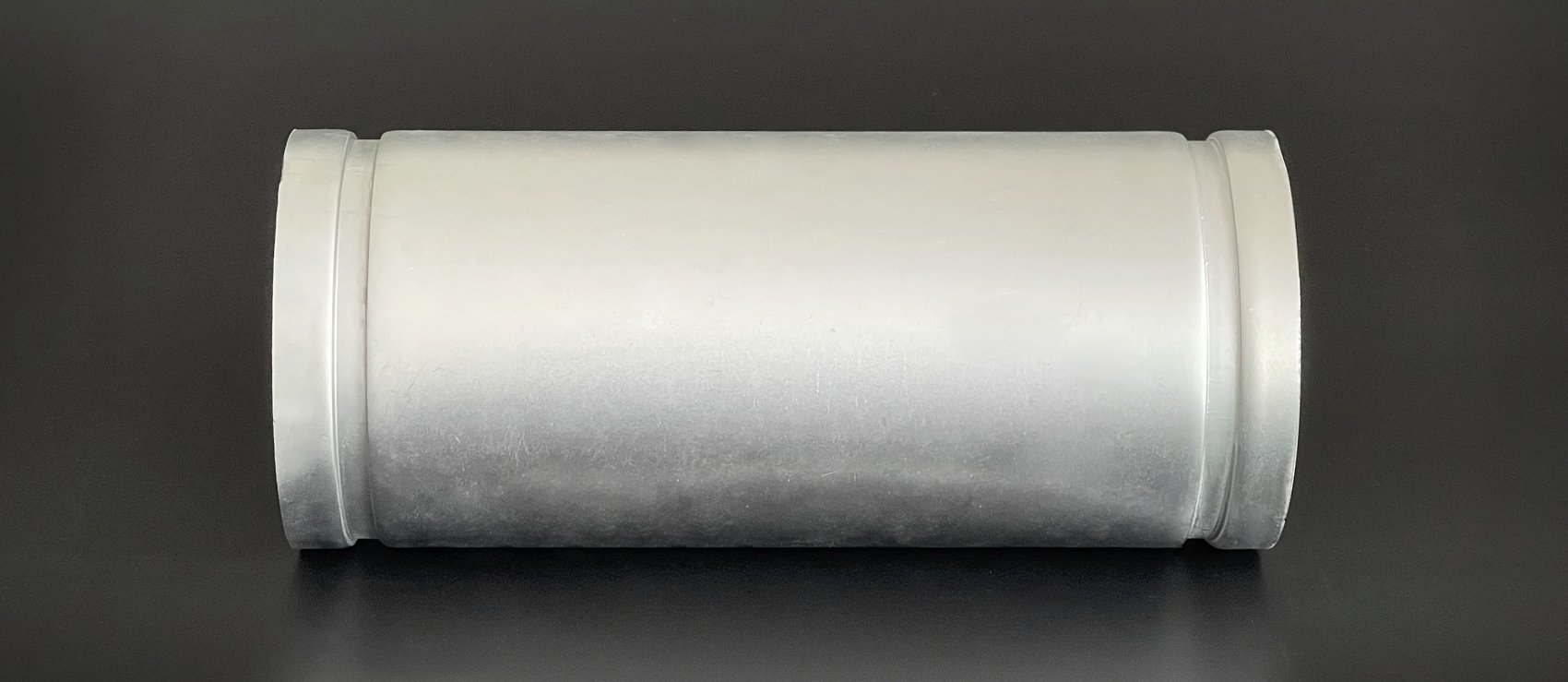
Grooves and cut ends are critical corrosion-protection zones in pipe joints. Innozinc combines plating adhesion and formability with post-fabrication plating to improve coating integrity and corrosion resistance at these interfaces.
Epoxy touch-up provides a barrier. Innozinc plating combines the sacrificial protection of zinc with the barrier function of its ceramic component.
Plastic deformation during roll grooving places stress on the plated layer. Adhesion and coating continuity after forming are essential to consistent joint quality.
Exposed substrate at groove roots and cut ends can initiate localized corrosion. Maintaining plating continuity strengthens corrosion protection at the joint.
Fabricated fittings and piping require control of coating peeling, lifting and contamination. KEMP manages plating thickness, adhesion and appearance to support downstream fabrication quality.
The adhesion and formability of Innozinc's thin composite deposit accommodate plastic deformation. In KEMP's in-house Erichsen cupping assessment, hot-dip galvanizing peeled at 3.5 mm, while Ceramic Galvanizing showed no observed defects beyond 5 mm.KEMP in-house assessment · ISO 20482 / KS B 0812 referenced
Grooving uncoated steel pipe before zinc plating allows the groove and cut ends to be treated together, reducing field machining and localized touch-up.The fabrication and plating sequence is specified for the product's length, geometry and dimensional requirements.
KEMP develops plating specifications around the applicable standards for pipe fittings, carbon steel pipe and steel conduit, together with its certified technology.
| Item | Status | Details |
|---|---|---|
| Korean Industrial Standards (KS) | Revised | KS D 3507 (5 Oct 2023) · KS B 1543 (9 May 2024) · KS C 8401 — zinc-coating provisions for carbon steel pipe, butt-fittings for welded joints and steel conduit |
| LH certification | Certified | SME Technology Market certificate — No. 2024-12-000089. Technology: zinc electroplating method with superior adhesion, resistance to embrittlement and corrosion resistance. Certifying body: LH. Initial certification: 9 Dec 2024. |
KEMP applies Innozinc plating to manufacturers' pipe fittings, piping and supports. With 3,445 tonnes of grooved fittings processed, KEMP supports production quality and component-specific plating processes.
| Product | Application Status | Production Record |
|---|---|---|
| Grooved fittingsElbows · Tees · Reducers · Couplings | Contract plating in production — since Jun 2021 | 3,445 tonnes total · 4 customersCustomer A: approx. 2,860 t / B: 390 t / C: 175 t / D: 20 t |
| Fittings for welded joints | In-house comparative testing completed | Contract plating available |
| Pipe (up to 3 m · nominal size 50A) | Plating trials completed · lengths up to 3 m | Specification-based plating consultation |
| Pipe supports · Clamps · Hangers | Available | Plating supplied for industrial support and fastening components |
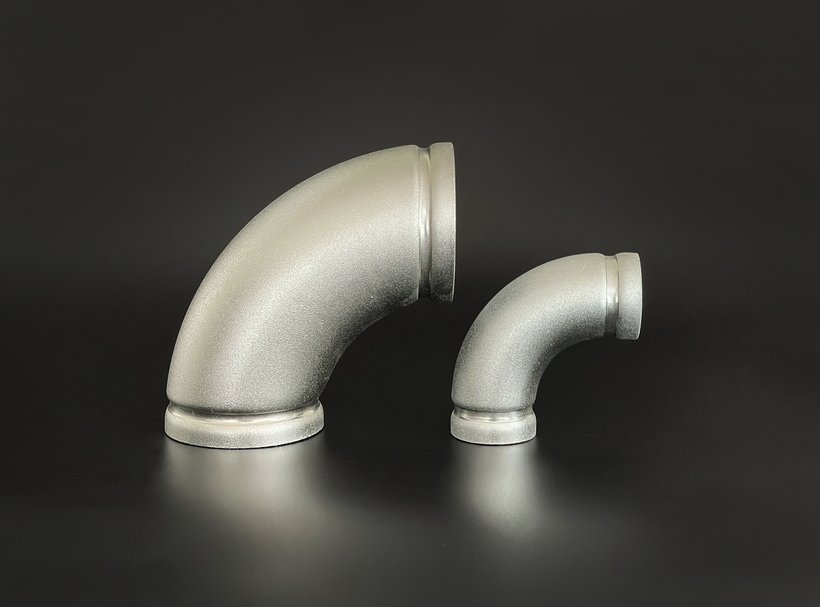
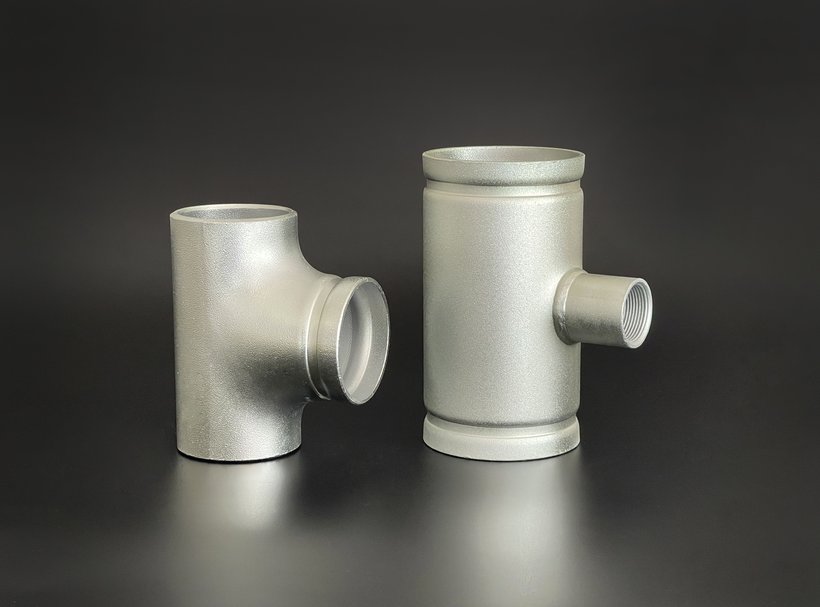
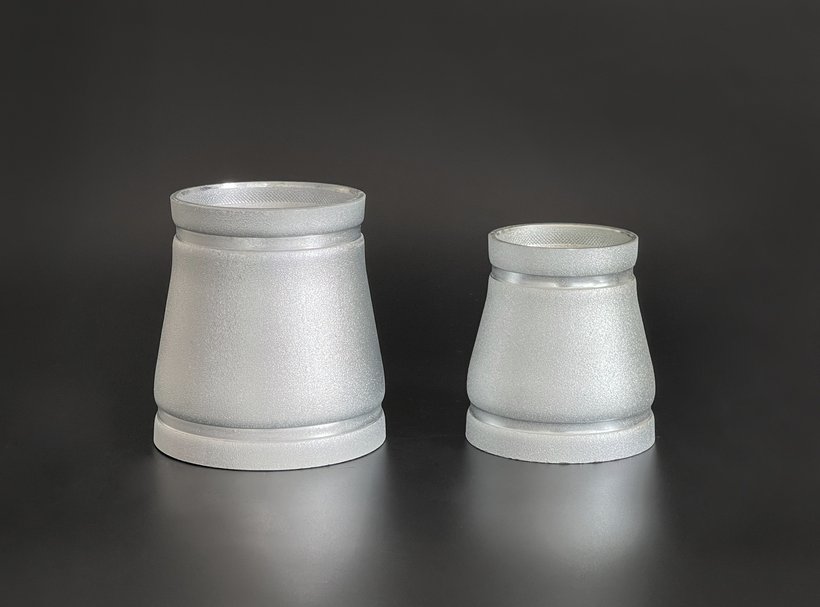
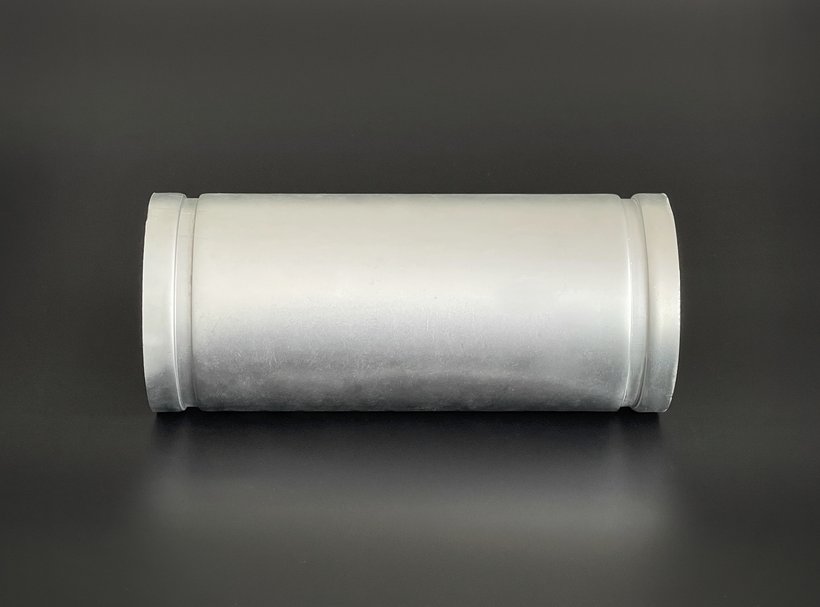
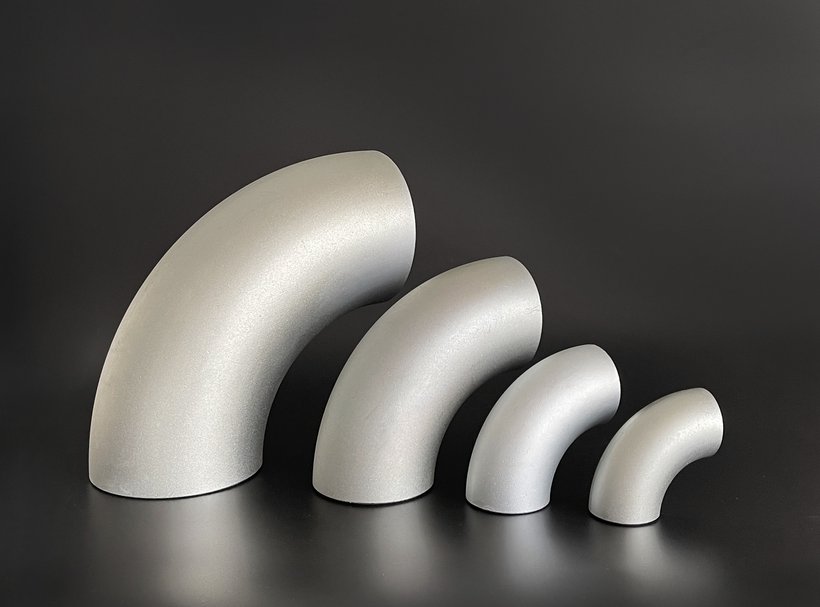
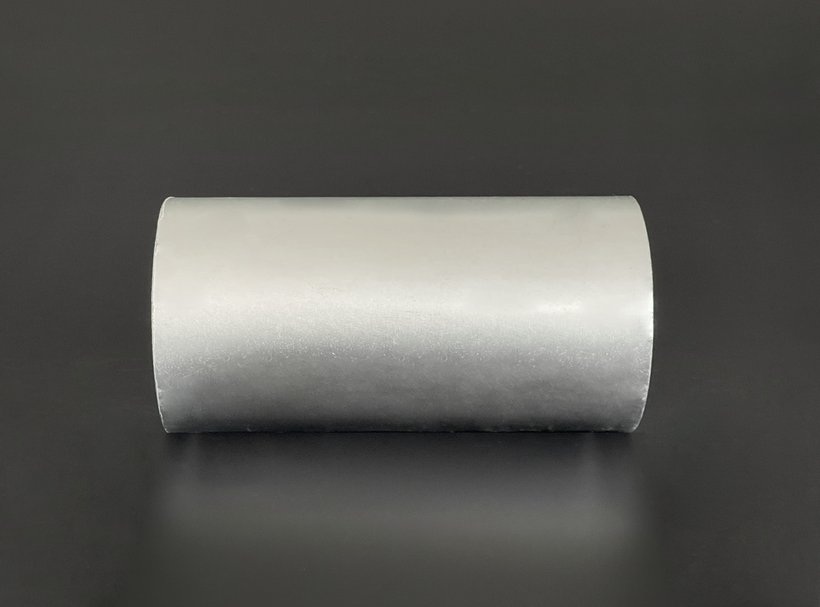
Plating thickness, adhesion, corrosion resistance and appearance are key quality characteristics. Initial approval and in-process inspections work together to maintain fitting surface quality.
| Characteristic | Test Method | Control Criterion | Inspection Stage |
|---|---|---|---|
| Plating thickness | Portable coating thickness gauge | ≥8 μm | Routine inspection |
| Adhesion | Cross-cut tape test | 5B | Initial approval |
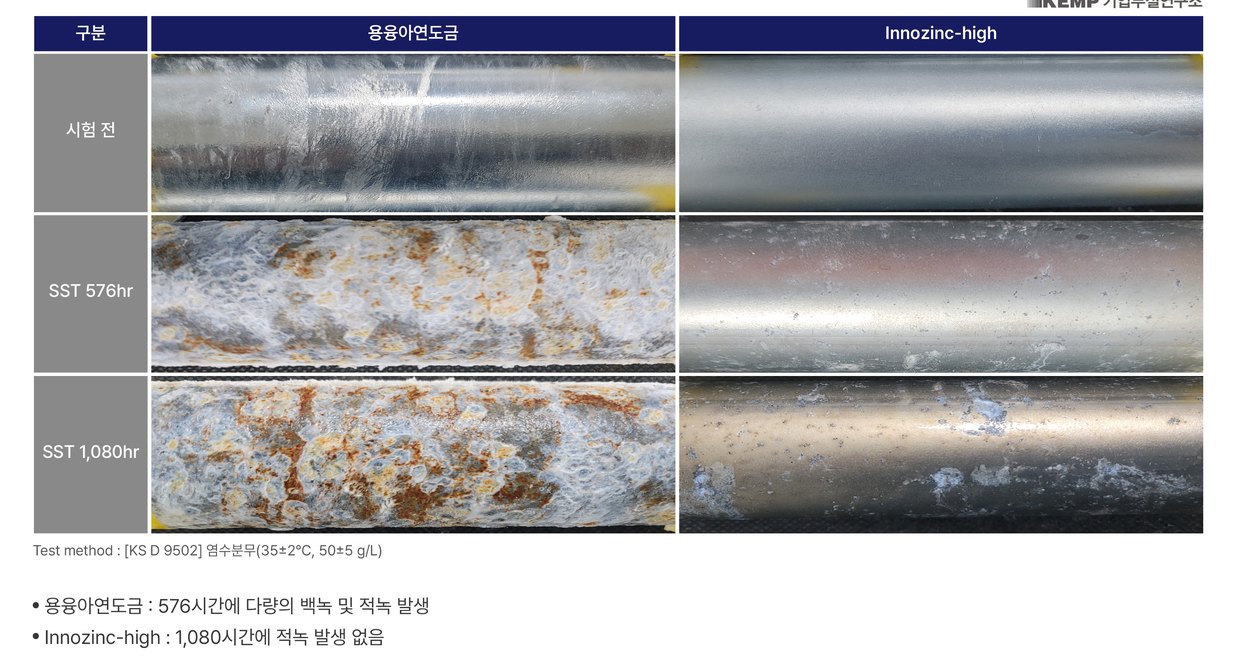
| Corrosion resistance | Salt spray test (ASTM B117) | ≥720 hr | Initial approval |
| Appearance | Visual inspection | No unplated areas, roughness, discoloration or zinc build-upNonconforming parts are reworked | Routine inspection |
Innozinc is a surface-treatment solution for corrosion resistance, plating adhesion and dimensional precision on fitting exteriors and grooved surfaces.
Plating adhesion and formability reduce peeling and lifting at roll-grooved surfaces.
Plating after grooves and cut ends are formed creates a production sequence with less localized touch-up.
Plating thickness and pretreatment/post-treatment conditions are specified around product dimensions, thread tolerances and assembly requirements.
Connect specification development, sample assessment and production implementation.
We develop the plating specification from fitting drawings, fabrication methods and the intended service environment.
Sample quantity, cost and schedule are agreed in advance. Samples are assessed against your production and assembly requirements.
Initial sample results establish product-specific quality-control criteria and production supply conditions.
Applications include grooved elbows, tees, reducers and couplings, fittings for welded joints, pipe supports, clamps and hangers. Pipe plating specifications focus on lengths up to 3 m.
KEMP's in-house Erichsen cupping assessment found no defects in Ceramic Galvanizing beyond 5 mm. Sample assessment using your roll-grooving conditions verifies coating integrity at the formed groove and assembly quality.
Control criteria include plating thickness ≥8 μm, 5B adhesion and corrosion resistance ≥720 hr for initial approval. Product-specific target thickness and inspection conditions are set against drawings, tolerances and service environments.
Provide the material, dimensions, quantity and service environment. Our team will propose a plating specification and confirm sample quantity, cost and schedule. Production plating conditions can then be agreed after sample assessment.
Discover KEMP surface-treatment solutions for industry-specific exposure conditions and product requirements.
