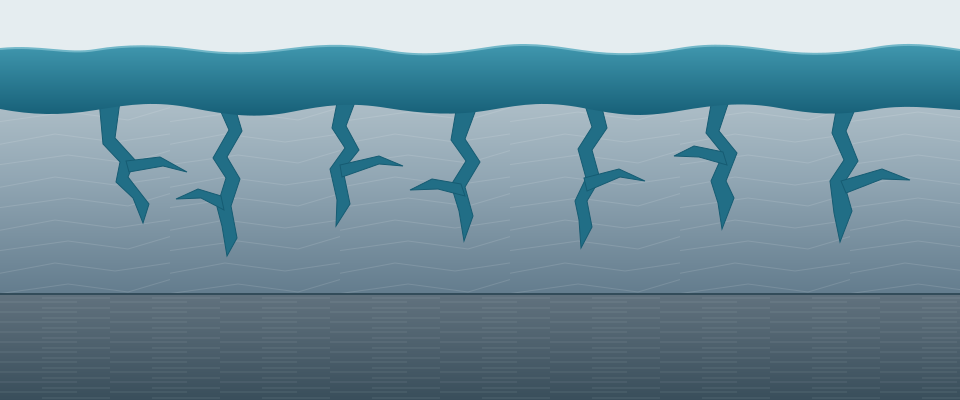
An inorganic ceramic film that fills micropores
The inorganic ceramic film infiltrates and bonds within the micropores of the ceramic zinc plating layer, restricting the ingress of corrosive species and protecting the substrate.

CERAMIC ZINC COMPOSITE PLATING
 Core Features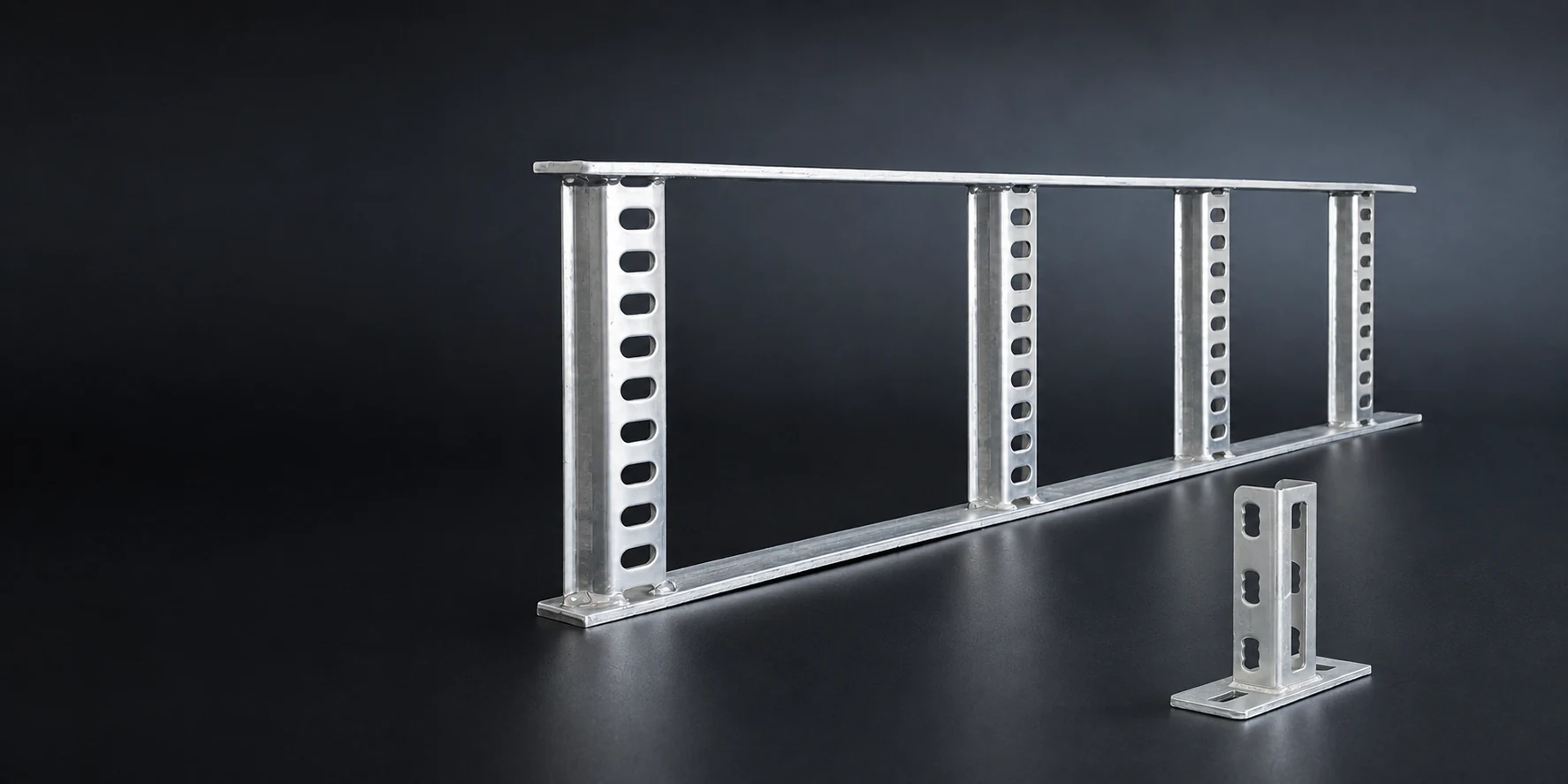
Composite plating technology combining a zinc layer with an inorganic ceramic film. Corrosion resistance, coating adhesion and formability support component fabrication through volume production.
AI illustration based on product photographs · Not an actual installation photograph
Product Comparison
From the standard grade combining corrosion resistance and post-plating formability to the high-corrosion-resistance grade for saline and humid environments, KEMP offers specifications tailored to the component and its operating environment.
| Product | Innozinc | Innozinc-h |
|---|---|---|
| Product type | Standard ceramic zinc composite plating | High-corrosion-resistance ceramic zinc composite plating |
| SST performance range | Max. 720–1,000 hr | Max. 1,500–2,000 hr |
| Key properties | Thin-film composite plating combining corrosion resistance, adhesion and post-plating formability | Composite plating delivering enhanced corrosion resistance |
| Application focus | Surface treatment for components requiring bending, roll grooving or threaded assembly | High-corrosion-resistance specifications for components and steel structures exposed to saline and humid environments |
| Product details | Innozinc Standard Grade | Innozinc-h Features |
COATING STRUCTURE
The inorganic ceramic film infiltrates and bonds within the micropores of the ceramic zinc plating layer, forming a dense composite barrier that delivers high corrosion resistance.
FIVE CORE PROPERTIES
From corrosion protection to welding, forming and fastening. Ceramic zinc composite plating connects your manufacturing process with the requirements of the service environment.
The inorganic ceramic film infiltrates and bonds within the micropores of the ceramic zinc plating layer, restricting the ingress of corrosive species and protecting the substrate.
The thin plated layer supports post-plating welding. Welding parameters and weld-area post-treatment are specified for the joining method.
An average plating thickness of approximately 8 µm supports bending, roll grooving and threaded assembly. Post-plating fabrication quality is controlled to the part geometry and dimensional tolerances.
Chemical-substance testing and production parameters guide material and process management. Energy and water use are compared on an equivalent production basis.
We select rack or barrel processing and define production parameters for the component size, geometry and throughput.
PRODUCTION PROCESS
Rack plating secures components on purpose-designed fixtures. Barrel plating processes small components in rotating barrels. We select the process for the component geometry and production throughput.
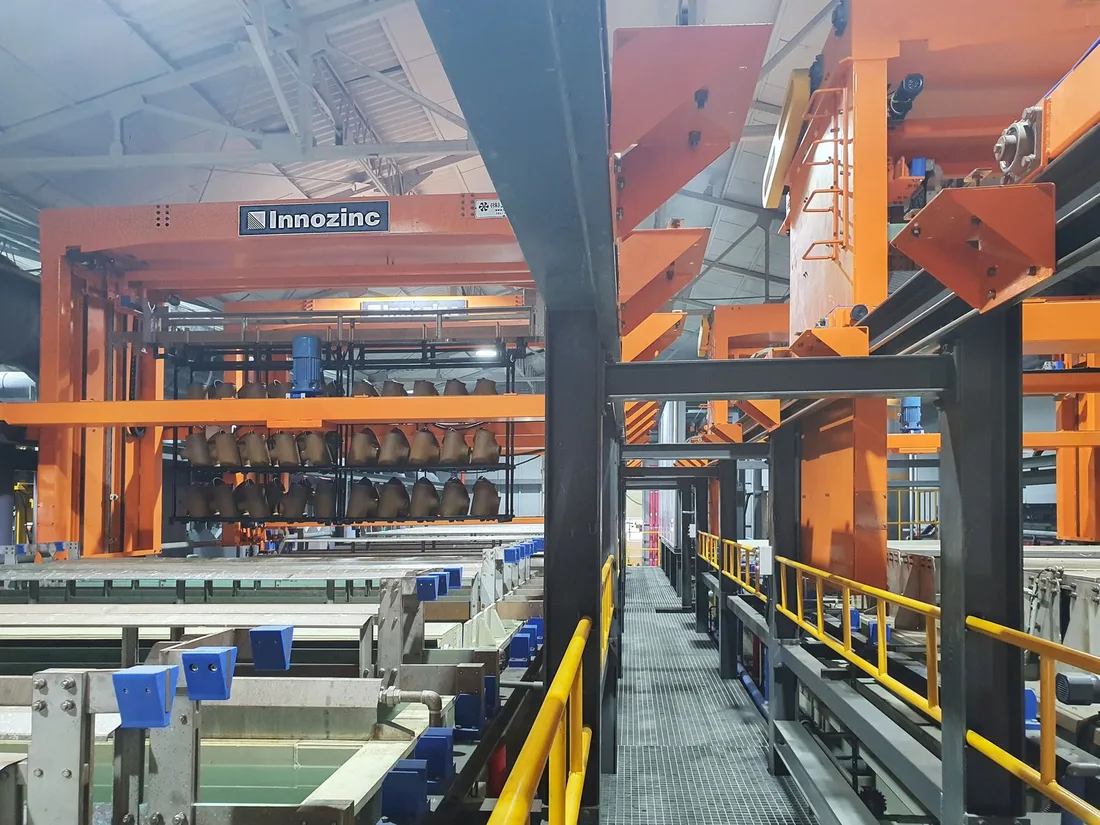 Watch the Rack Line
 Components are secured on plating racks designed for their size and geometry.
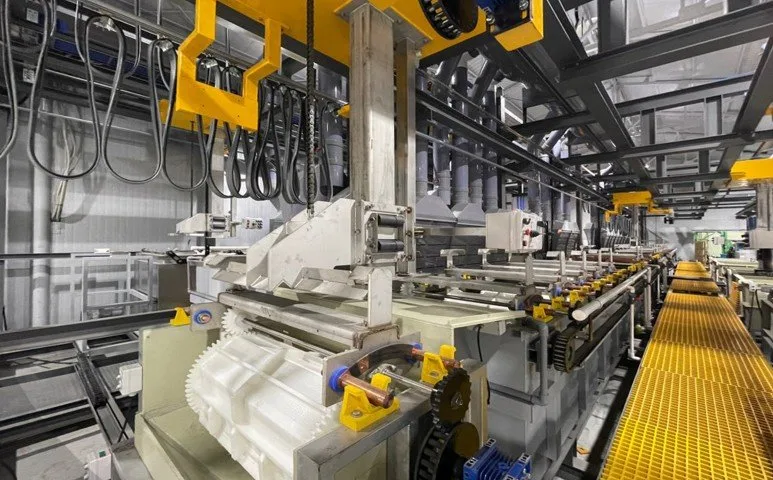 Watch the Barrel Line
 Small components are batch-plated in rotating barrels.
INNOZINC ANSWERS
Product selection:
specifications, fabrication and samples
Standard-grade Innozinc has a representative maximum SST range of 720–1,000 hr; high-corrosion-resistance Innozinc-h has a range of 1,500–2,000 hr. Grade selection reflects the service environment and manufacturing and assembly requirements.
Innozinc supports post-plating welding, bending and roll grooving. Sample evaluation reflects the welding method, forming radius and dimensional tolerances, and establishes post-treatment conditions for the fabricated areas.
The stated average thickness for standard Innozinc is approximately 8 µm. Actual thickness can vary with substrate geometry, pretreatment and process conditions.
SST measures corrosion resistance under controlled salt spray conditions. Product specifications include the specimen substrate, pretreatment, thickness and white- and red-rust acceptance criteria. SST is a laboratory performance indicator, distinct from years of service.
Provide the substrate, dimensions, quantity, drawings or photos, and service environment. Our team will confirm the plating specification, sample quantity, cost and schedule.
NEXT STEP
Explore the catalogs for technical detail, or start a discussion based on your actual parts.