Repairing galvanized steel involves more than covering a damaged area with a silver finish. Assess the existing treatment and damage, then define preparation, corrosion protection, any finish coat and acceptance checks as one work specification.
1. Identify the damage and the existing treatment
Cut edges, weld areas and handling scratches can require different repair scopes. Establish whether the existing treatment is hot-dip galvanizing, electrogalvanizing or another coated-steel system. G·SAVE information identifies localized damage on galvanized steel and materials such as PosMAC as applications for review.
- Record the location and dimensions using overall and close-up photographs.
- Distinguish remaining coating, rust, contamination, loose film and previous repairs.
- Check access around welds, edges and fasteners.
- If loss of steel section or structural damage is suspected, assess the component’s suitability separately from the coating repair.
A repair coating does not restore lost steel thickness or structural capacity.
2. Define preparation and application conditions
Before choosing a repair material, establish how rust, oil and contamination will be removed and how a suitable surface will be prepared. Check whether the tools can reach gaps and fastener areas. Determine the required preparation and application suitability from the current technical data sheet (TDS) and the project specification.
Do not treat a drying time or thickness in a product overview as a universal instruction for every substrate and weather condition. Confirm temperature, moisture, surface condition, application method, drying and recoating requirements before work starts.
3. Separate corrosion protection from appearance finishing
G·SAVE is presented as a zinc-flake corrosion-repair coating. Depending on the application, KEMP’s repair system considers surface preparation, G·SAVE repair and subsequent finishes such as Innotouch or G+PLUS. This is not a requirement to use the same combination on every job.
If a finish coat is required, confirm its compatibility with the repair material and the recoating interval. The American Galvanizers Association (AGA) also highlights compatibility and advance agreement on repair specifications when painting over repaired galvanized surfaces.
4. Read test evidence and site photographs for their intended purpose
KEMP’s published G·SAVE comparison table includes these examples under KS D9502 at 5% NaCl and 35°C. They describe the listed test cases and do not guarantee service life or identical performance on every structure.
| Treatment listed | Reported observation |
|---|---|
| Hot-dip galvanizing, 80 µm | White rust across the surface at 120 hours; red rust at 480 hours |
| Hot-dip galvanizing + G·SAVE, 20 µm | No abnormality at 480 hours |
Check specimen details and conditions in the original performance information, then define tests and inspection criteria for the actual repair. Do not use the table’s thickness as a universal field application instruction.
5. Retain inspection and maintenance records
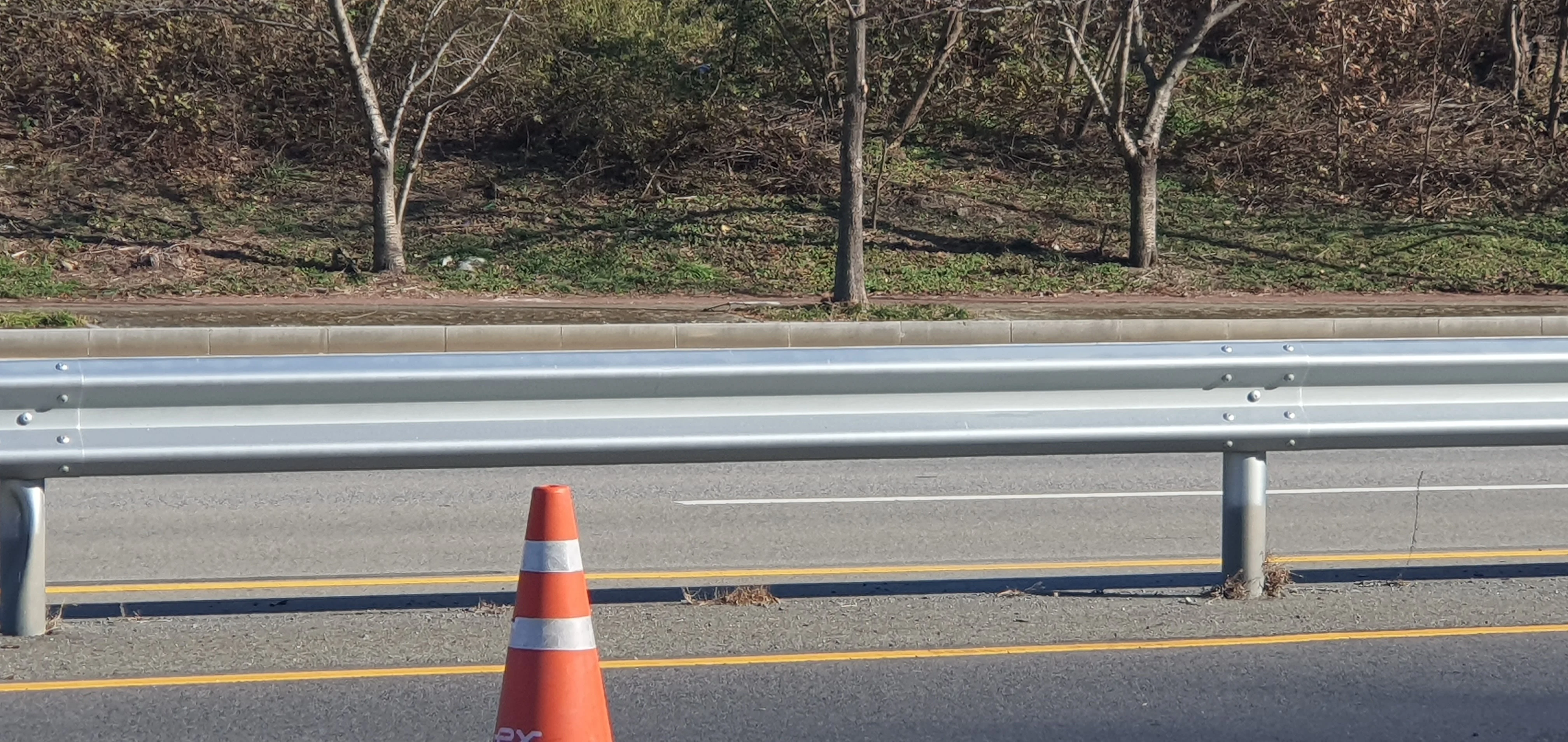
- Before work: record the location, existing treatment, damage, photographs, specification and acceptance criteria.
- During work: record preparation, product and batch, application conditions, work sequence and timing.
- After work: check coverage, film condition and appearance, and perform the thickness, adhesion or other inspections required by the specification.
- In service: photograph the same locations during scheduled checks and compare new corrosion, peeling or mechanical damage.
For an application review, provide photographs, substrate and coating details, exposure conditions, repair area, preparation constraints and the return-to-service schedule.
Sources and scope
- KEMP G·SAVE performance, process and site information
- AGA: touch-up and repair of hot-dip galvanizing
- AGA: repair compatibility when specifying duplex systems
Based on the public information available on the update date. This guide supports initial technical review; use the current TDS, test report and project specification for application decisions.
Related guide
How to compare salt spray test results: white rust, red rust and coating thicknessReview the repair with site photographs and project conditions
Share the damage and working constraints so we can identify the process and information needed for an application review.
Technical inquirySample request